Zine Making
- Pre-workshop activities: 20 min
- Introductory presentation: 15 min
- Hands-on activities: 65 min
What is a Zine & Why Make One?
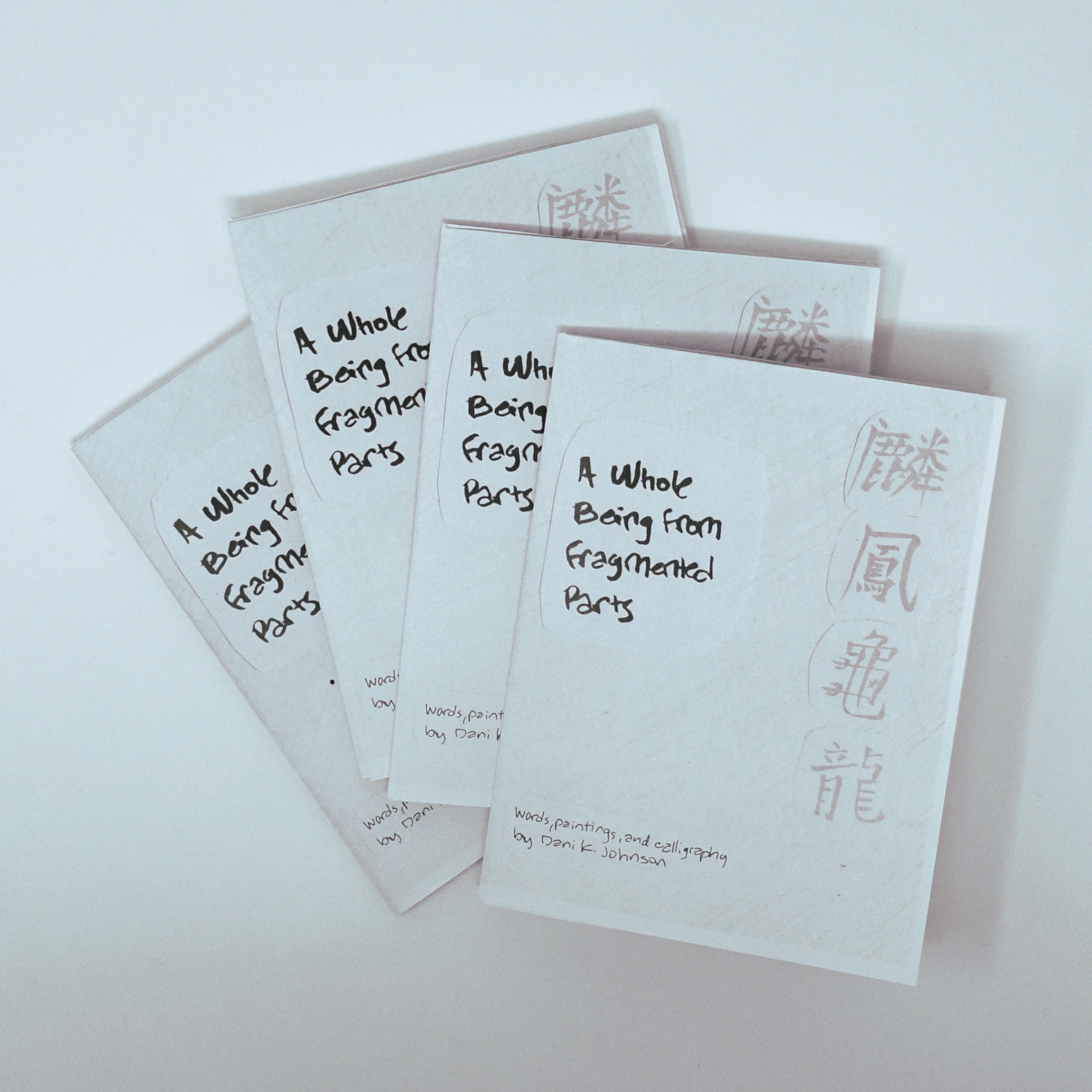
Zines are self-published works typically created to share thoughts, feelings, creativity, experiences, and knowledge. Zines are part of a DIY culture that often includes people from marginalized communities or those who lack access to mainstream publishing options.
While there is no official definition of a zine, most people agree that they are self-published works with a limited print run, ranging from a few to around 5,000 copies. Zines are typically made up of a variety of images, texts, and messages. The content of a zine is limited only by the creator’s imagination. There are options to create zines using analogue or digital tools, though the the traditional DIY maker styles have remained a core part of the zine style identity.
Some examples of what can be in a zine include but are not limited to:
- Sketches, drawings, and mini-comics
- Recipes with photos and/or illustrations
- Words mixed with images and textures
- Poetry
This Workshop:
The activities offer instructions for creating zines either digitally using Canva, or the old school analogue method using paper and collected materials.
A Short History of Zines
The history of the zine (at least for English-language zines in the West) can be traced back to the publications such as the “little magazines” of the Harlem Renaissance around 1920, or arguably back far into print history when short run pamphlets were published. The term “fanzines” points back to the 1930’s with science fiction fans creating their own publications. These small publications served as a forum for dialogue free from corporate editors or publishers. The same DIY ethos drew punks in the late twentieth century to embrace zines as a complement to their music and a means to challenge mainstream ideologies. In the 1980s and 1990s, zines became central to movements like Queercore and Riot Grrrl, which used zines to subvert dominant and patriarchal ideologies by sharing lived experiences. Despite corporate appropriation, zine-making remains a cornerstone for marginalized voices to disseminate information and publish creative work.
Learning objectives
At the end of this workshop, you will be able to:
- Define what a zine is, including its key characteristics and history as a form of self-publishing popular among DIY and marginalized communities.
- Identify and discuss different methods of zine construction, including digital and analog approaches, and consider the creative possibilities and limitations associated with each.
- Brainstorm and refine zine concepts, identifying a topic, target audience, and potential content.
- Practice layout and design principles for zines, including considerations of format, colour, font, and imagery.
- Follow best practices for sourcing content for their zines, including using open-licensed content and properly crediting collaborators.
- Create a sample zine with at least 8 pages to either summarize the highlights of a research paper or on a topic of your choice.
- Explore different strategies for printing, distributing, and promoting zines, including both online and offline options.